


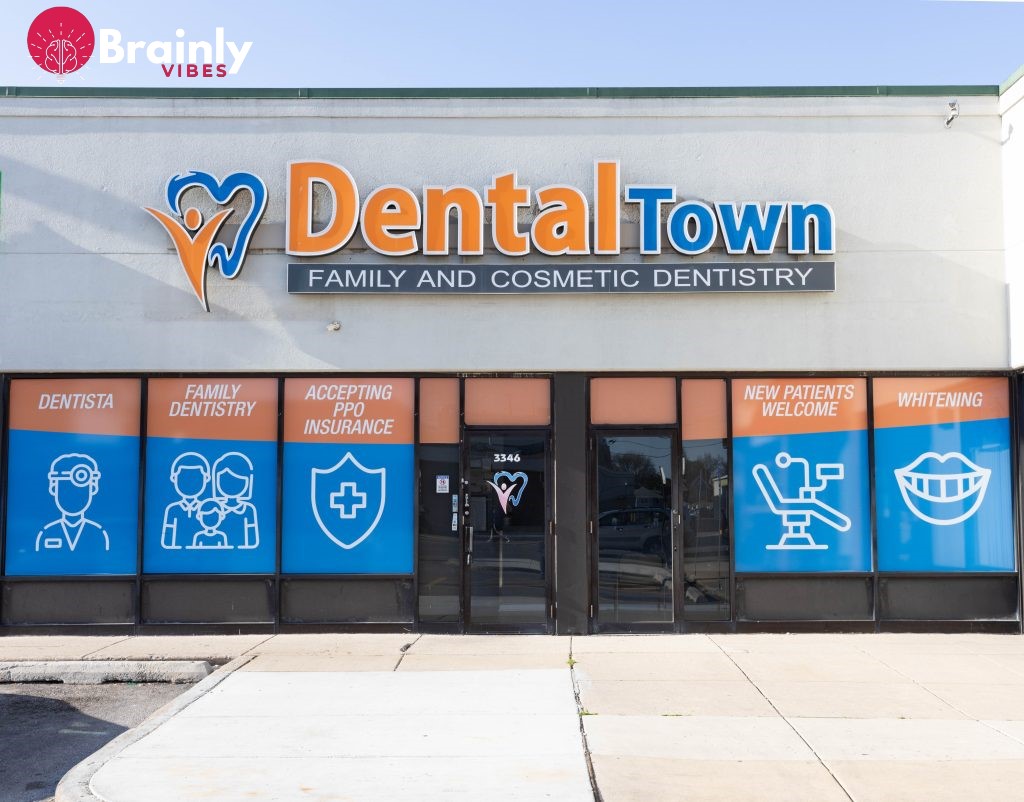
Dental Town represents a revolutionary concept in healthcare, transforming traditional dental care into a vibrant, community-centric ecosystem. Imagine a place where oral health isn’t just treated but celebrated—where cutting-edge clinics, educational hubs, wellness centers, and even recreational spaces converge to prioritize smiles. This article delves deep into the essence of Dental Town, exploring its origins, architecture, services, benefits, and future potential. As urbanization accelerates and awareness of preventive dentistry grows, Dental Town emerges as a blueprint for holistic oral care, blending medical expertise with lifestyle integration.
The Origins and Evolution of Dental Town
Historical Roots in Dental Care Communities
The idea of Dental Town traces back to early 20th-century dental cooperatives in Europe, where groups of dentists pooled resources to serve underserved populations. These precursors laid the groundwork for integrated dental districts. By the mid-20th century, American suburbs saw the rise of dental plazas—clusters of practices sharing facilities to cut costs and improve access.
In the digital age, Dental Town evolved into full-fledged neighborhoods dedicated to oral health. Pioneered in cities like Singapore and Dubai around 2015, these zones integrated technology, such as AI-driven diagnostics and telemedicine, with physical infrastructure. Today, Dental Towns span continents, adapting to local needs while upholding global standards from bodies like the World Dental Federation.
Key Milestones in Development
Several milestones shaped Dental Town’s trajectory. The 2020 pandemic accelerated tele-dentistry adoption, prompting the first fully integrated Dental Town in California in 2022. This model featured 24/7 virtual consultations alongside on-site emergency suites. By 2025, over 50 such towns operated worldwide, with expansions in Asia-Pacific regions emphasizing affordability.
What sets Dental Town apart is its scalability. From compact urban setups serving 10,000 residents to expansive suburban models accommodating 100,000, each iteration refines the formula: centralized labs, shared imaging tech, and community outreach programs.
Core Components of a Dental Town
State-of-the-Art Clinics and Specialties
At the heart of every Dental Town lies a network of specialized clinics. General dentistry hubs handle routine check-ups, cleanings, and fillings using laser technology for precision and minimal discomfort. Orthodontic centers employ invisible aligners and 3D-printed retainers, reducing treatment times by up to 40%.
Pediatric wings transform visits into adventures with child-friendly designs—think colorful murals, interactive games, and sedation options for anxious kids. Periodontal and endodontic specialists focus on gum health and root canals, respectively, utilizing regenerative therapies like stem cell implants to restore tissues naturally.
Cosmetic dentistry thrives here too, offering veneers, whitening, and smile makeovers with biocompatible materials. Each clinic operates under a unified electronic health record system, ensuring seamless specialist referrals.
Diagnostic and Technological Infrastructure
Dental Towns invest heavily in diagnostics. Cone-beam CT scanners provide 3D jaw images in seconds, aiding implant planning. Intraoral cameras capture high-res images for patient education, while AI algorithms analyze X-rays for early cavity detection with 98% accuracy.
Digital impression scanners replace messy molds, streamlining prosthetics like crowns fabricated on-site via CAD/CAM mills. Robotic-assisted surgeries, such as for wisdom teeth extractions, minimize bleeding and recovery time.
Tele-dentistry kiosks dot the town, allowing remote scans and consultations. Blockchain secures patient data, ensuring privacy amid growing cyber threats.
Wellness and Preventive Hubs
Beyond treatment, Dental Towns emphasize prevention. Nutrition centers educate on diet’s role in oral health—calcium-rich foods for enamel strength, probiotics for microbiome balance. Fitness zones link exercise to reduced bruxism, with apps tracking jaw tension.
Sleep clinics address apnea links to tooth decay, prescribing custom oral appliances. Mental health integration tackles dental anxiety through cognitive behavioral therapy sessions tailored for phobics.
Pharmacies stock fluoride varnishes, desensitizing gels, and antimicrobial rinses, with pharmacists consulting on interactions.
Architectural and Community Design
Urban Planning for Accessibility
Dental Towns are master-planned for efficiency. Central plazas feature easy parking, bike racks, and EV chargers. Multi-story complexes house clinics on upper floors, labs below, and green spaces at ground level. Universal design principles ensure ramps, wide corridors, and braille signage for inclusivity.
Pedestrian-friendly paths connect facilities, with shaded walkways in tropical climates. Solar panels power operations, achieving near-zero carbon footprints in eco-conscious models.
Integrating Lifestyle Amenities
What elevates Dental Town is its lifestyle fusion. Cafes serve enamel-friendly menus—sugar-free lattes, crunchy veggie platters. Yoga studios incorporate jaw-relaxation poses, while art galleries display dental history exhibits.
Family zones include playgrounds and libraries stocked with oral health books. Annual festivals feature free screenings, magician shows by dentists, and smile contests, fostering community bonds.
Economic Model and Sustainability
Cost Structures and Affordability
Dental Towns operate on a hybrid model: insurance partnerships, direct-pay tiers, and employer-sponsored plans. Bulk procurement slashes material costs by 30%, passing savings to patients. Subscription models—monthly fees for unlimited cleanings—attract frequent visitors.
Non-profits subsidize low-income access via sliding-scale fees and mobile units extending reach to rural fringes.
Environmental and Operational Sustainability
Sustainability defines Dental Town. Water recycling systems cut usage by 70%; amalgam separators prevent mercury pollution. Biodegradable disposables replace plastics, and waste-to-energy plants process biomedical refuse.
Staff training emphasizes green protocols, from digital charts reducing paper to LED lighting. Long-term, these practices lower operational costs and appeal to eco-aware demographics.
Health Benefits and Patient Outcomes
Preventive Impact on Public Health
Residents in Dental Towns experience 25% fewer emergencies due to proactive care. Early intervention curbs periodontitis progression, linked to heart disease and diabetes. Children’s caries rates drop 40% via school fluoride programs.
Holistic approaches yield broader gains: better nutrition improves overall vitality, while stress reduction from anxiety-free visits enhances mental well-being.
Long-Term Data and Success Stories
Pilot studies report 95% patient satisfaction. A Singapore Dental Town saw implant success rates hit 99%, surpassing global averages. Elderly programs extended edentulism-free years by five, boosting quality of life.
Personal tales abound: a marathon runner regained bite function post-custom orthotics, crediting Dental Town for career revival.
Challenges and Innovations Ahead
Overcoming Common Hurdles
Scalability poses challenges—training enough specialists and navigating regulations. Rural adaptations use drone-delivered kits. Affordability gaps persist in developing regions, addressed via microfinance dental loans.
Cultural barriers, like stigma around braces, dissolve through awareness campaigns.
Emerging Technologies Shaping the Future
AI chatbots triage symptoms 24/7. Nanotech coatings prevent plaque adhesion. Gene editing targets hereditary enamel defects, while VR simulates procedures for prep.
Metaverse consultations preview treatments virtually. By 2030, Dental Towns may incorporate bioprinted teeth, fully regenerating lost dentition.
Global Case Studies
Asia-Pacific Leadership
Singapore’s inaugural Dental Town serves 500,000, integrating with national health records. India’s Hyderabad variant, launched in 2024, focuses on affordable implants for its dense population.
Western Innovations
California’s model emphasizes cosmetics, drawing tourists. Europe’s Dutch Dental Town pioneers geriatric care with AI fall-prevention jaw sensors.
These cases illustrate adaptability, from high-tech hubs to budget-conscious outposts.
Conclusion
Dental Town redefines oral health as a communal pillar, weaving treatment, prevention, and lifestyle into a seamless fabric. By centralizing expertise, embracing technology, and prioritizing accessibility, it promises healthier smiles worldwide. As populations age and awareness rises, Dental Towns will proliferate, setting a gold standard for integrated care. The future smiles brighter—literally—in these innovative enclaves, proving that a community’s oral health mirrors its overall vitality.
Frequently Asked Questions (FAQs)
What exactly is a Dental Town?
A Dental Town is a dedicated community zone or complex housing multiple dental facilities, wellness centers, and amenities focused on comprehensive oral healthcare. It integrates clinics, diagnostics, prevention programs, and lifestyle features to make dental care accessible and engaging.
How does Dental Town differ from a regular dental clinic?
Unlike standalone clinics, Dental Towns offer one-stop ecosystems with specialist networks, shared tech, community events, and preventive hubs. This reduces wait times, costs, and travel while providing holistic services beyond basic treatments.
Are Dental Towns affordable for everyone?
Yes, through tiered pricing, insurance tie-ups, subscriptions, and subsidies. Many feature low-income programs, making advanced care viable even in budget constraints.
What technologies are typically used in Dental Towns?
Common tech includes AI diagnostics, 3D imaging, digital scanners, robotic surgery, tele-dentistry, and blockchain for data security, enhancing accuracy and efficiency.
Can families with children benefit from Dental Towns?
Absolutely. Pediatric areas feature fun designs, sedation options, and education programs, turning visits into positive experiences and promoting lifelong habits.
How sustainable are Dental Towns environmentally?
They prioritize green practices like solar power, water recycling, biodegradable materials, and digital records, often achieving carbon-neutral status.
Will Dental Towns expand to rural areas?
Yes, mobile units, drones, and tele-services extend reach. Compact models suit small towns, ensuring equitable access.
What are the health outcomes for Dental Town residents?
Studies show reduced emergencies, higher satisfaction, lower disease rates, and improved overall wellness due to preventive focus.
