


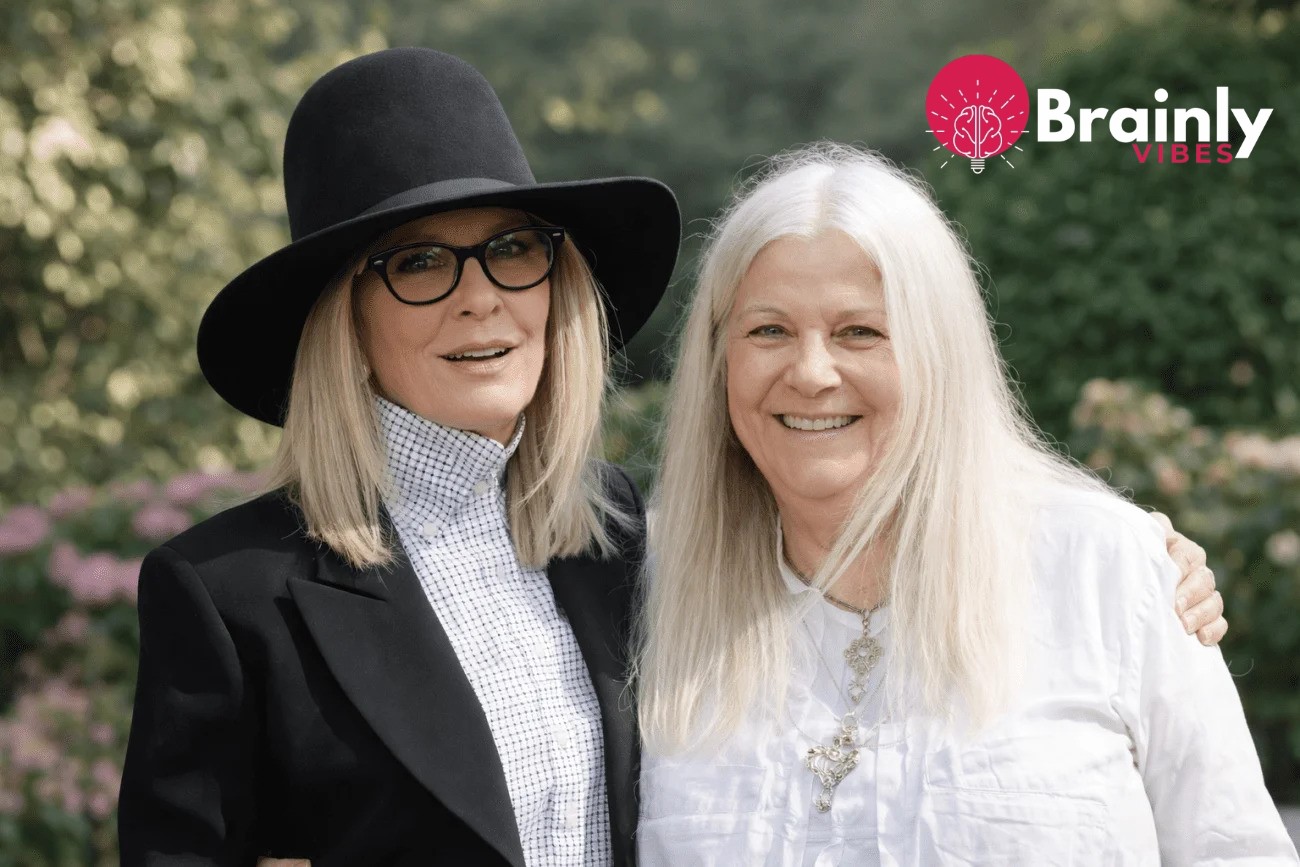
Dorrie Hall emerged as a captivating figure in American entertainment during the late 20th century. Her career, though not always in the mainstream spotlight, showcased a rare blend of raw talent, emotional intensity, and versatility that left an indelible mark on theater and film.
Early Life and Formative Years
Dorrie Hall was born on April 1, 1953, in the bustling city of Los Angeles, California. Growing up in a vibrant urban environment, she was surrounded by the glitz and glamour of Hollywood from a young age, which sparked her early fascination with performance arts. Her family, rooted in the creative undercurrents of the city, provided a nurturing backdrop that encouraged her artistic inclinations without the pressures of early fame.
Childhood Influences and First Sparks of Talent
Hall’s childhood was marked by impromptu backyard plays and neighborhood skits where she often took center stage. Neighbors recall her as a natural storyteller, captivating audiences with her expressive face and animated gestures. These early experiences were crucial, laying the groundwork for her future career. By her teenage years, she had already participated in local school productions, honing skills that would later define her professional persona.
Los Angeles offered unique opportunities, from community theaters to amateur film sets, where Hall absorbed the nuances of acting. Her exposure to diverse cultures and artistic expressions in the city shaped her empathetic approach to character portrayal. This period was not without challenges; financial constraints meant she balanced odd jobs with acting classes, demonstrating resilience that became a hallmark of her life.
Educational Pursuits and Mentorship
Hall pursued formal training at a local performing arts academy, where she studied method acting and classical theater techniques. Mentors recognized her potential early on, praising her ability to convey complex emotions with subtlety. These years were pivotal, as she transitioned from playful performances to disciplined craft, preparing for the competitive world ahead. Her education emphasized voice modulation, physicality, and improvisation, skills that set her apart in auditions.
Entry into the Entertainment Industry
Dorrie Hall’s professional journey began in the mid-1970s, a time when independent cinema and off-Broadway theater were gaining momentum. She started with bit parts in television commercials and short films, gradually building a portfolio that caught the eye of casting directors. Her persistence paid off as she secured roles that allowed her to showcase her range.
Breakthrough Roles in Theater
Hall’s theater debut came in experimental plays that challenged conventional narratives. Directors valued her for her ability to embody multifaceted characters, blending vulnerability with strength. One early production highlighted her as a lead in a workshop piece exploring urban isolation, earning rave reviews from niche critics. These stage experiences refined her timing and presence, essential for her later screen work.
Transition to Film and Television
By the 1980s, Hall ventured into film, aligning with the era’s gritty, character-driven stories. Her screen debut marked a shift, where camera close-ups amplified her expressive eyes and nuanced expressions. She navigated the industry’s hurdles with grace, networking through festivals and industry events. This phase solidified her reputation as a reliable character actress capable of elevating any project.
Iconic Film Roles and Performances
Dorrie Hall’s filmography, though selective, features roles that demonstrate her depth. Her choices often leaned toward indie projects and supporting parts that stole scenes from leads.
The Boost (1988): A Career-Defining Turn
In The Boost, Hall portrayed a pivotal supporting character entangled in a tale of addiction and redemption. Her performance captured the quiet desperation of those on society’s fringes, drawing from real-life observations in Los Angeles. Critics noted how her subtle line deliveries and body language conveyed layers of unspoken pain, making her scenes unforgettable. This role earned her nominations in indie film circles and opened doors to more dramatic opportunities.
The film’s director praised Hall’s improvisational skills during intense scenes, which added authenticity. Her chemistry with co-stars amplified the narrative’s emotional core, proving her as a collaborative force. The Boost remains a touchstone in her career, often cited in retrospectives on 1980s cinema’s unsung heroes.
Heaven (1987): Ethereal Intensity
Hall’s work in Heaven showcased a different facet—mystical and introspective. She played a enigmatic figure guiding protagonists through spiritual turmoil, blending whimsy with profundity. Her preparation involved studying esoteric texts, infusing the role with genuine intrigue. This performance highlighted her vocal range, from whispers to commanding monologues, mesmerizing audiences.
The film’s cult following has kept Hall’s contribution alive, with fans dissecting her scenes for hidden symbolism. Her ability to balance otherworldliness with relatability made Heaven a standout, influencing subsequent genre explorations.
Other Notable Screen Appearances
Beyond these, Hall appeared in lesser-known features where she tackled diverse archetypes—from resilient mothers to cunning allies. Each role added to her eclectic resume, showcasing adaptability. Guest spots on television anthologies further demonstrated her versatility, often in one-off episodes that left lasting impressions.
Stage Career and Theatrical Innovations
While film brought visibility, theater remained Hall’s true passion. She thrived in intimate venues, where direct audience connection fueled her energy.
Off-Broadway Triumphs
Hall’s off-Broadway runs in the 1980s and 1990s featured original works addressing social issues. One production on mental health stigma saw her embody a spectrum of personalities, earning standing ovations. Her physical transformations—accents, postures—astonished peers, pushing theatrical boundaries.
Collaborations with Emerging Playwrights
She championed new voices, starring in premieres that launched careers. Hall’s feedback sessions with writers refined scripts, fostering symbiotic growth. These collaborations underscored her commitment to theater’s evolution, blending tradition with modernity.
Regional Theater Contributions
Hall toured regional circuits, bringing high-caliber performances to underserved areas. Her workshops for young actors emphasized emotional honesty, inspiring the next generation. These efforts expanded her influence beyond urban centers.
Personal Life and Private Struggles
Dorrie Hall guarded her personal life fiercely, valuing privacy amid public scrutiny. Relationships were few and discreet, with rare interviews hinting at deep friendships within the arts community.
Family Ties and Support System
Family provided grounding; siblings offered candid advice during career lows. Hall credited them for maintaining her humility. Holidays in California recharged her, blending relaxation with creative brainstorming.
Health Battles and Resilience
Hall faced health setbacks in later years, yet persisted with selective projects. Her approach to adversity—stoic yet optimistic—influenced peers. Advocacy for performers’ wellness became a quiet passion, sharing experiences through anonymous channels.
Philanthropy and Quiet Activism
She supported arts education charities, funding scholarships for underprivileged talents. Environmental causes also drew her, reflecting a holistic worldview. Hall’s activism was understated, aligning with her introspective nature.
Legacy and Influence on Modern Actresses
Dorrie Hall’s impact endures through mentees and admirers who emulate her subtlety.
Awards and Recognitions
Though mainstream accolades eluded her, indie awards and festival honors affirmed her prowess. Lifetime achievement nods in the 2000s celebrated her body of work.
Mentorship and Industry Ripple Effects
Young actresses cite Hall’s masterclasses as transformative. Her techniques—layered character building—permeate acting schools. Documentaries on character actors often feature her archival footage.
Cultural Resonance Today
Hall’s roles resonate in discussions on representation, highlighting marginalized voices. Streaming revivals of her films introduce her to new audiences, sparking renewed interest.
Artistic Philosophy and Techniques
Hall’s craft stemmed from a philosophy of authenticity over flash.
Method Acting Deep Dives
She immersed in roles via sensory exercises, living characters’ routines. This yielded performances rich in verisimilitude.
Voice and Physical Mastery
Vocal training allowed seamless accent shifts; physicality conveyed subtext. Hall viewed the body as an instrument, practicing yoga for precision.
Improvisation as Core Skill
Her improv prowess salvaged faltering shoots, adding spontaneity. Workshops taught this as a survival tool for actors.
Later Career and Retirement Reflections
Hall scaled back in the 1990s, prioritizing quality over quantity.
Selective Comebacks
Occasional voice work and theater revivals marked her later phase. A 2000s short film reunion showcased undimmed talent.
Transition to Teaching
Mentoring at studios fulfilled her post-acting years. Students lauded her insightful critiques.
Reflections in Interviews
Rare talks revealed satisfaction with her path, valuing craft over fame. She advised aspiring artists to embrace rejection.
Critical Reception and Analysis
Critics appreciated Hall’s economy—saying much with little.
Evolving Reviews
Early notices praised potential; later ones hailed mastery. Variety called her “a quiet storm.”
Scholarly Perspectives
Film studies explore her in ensemble dynamics, noting scene-stealing subtlety.
Dorrie Hall in Popular Culture
Memes and fan edits keep her relevant online.
Fan Communities
Dedicated forums dissect her oeuvre, hosting virtual watch parties.
References in Media
Podcasts honor her; biopics hint at her story.
Conclusion
Dorrie Hall’s journey from Los Angeles stages to indie screens exemplifies dedication amid obscurity. Her legacy—profound performances and quiet mentorship—continues inspiring artists, proving impact transcends stardom. As new generations discover her work, Hall remains a testament to authentic artistry.
Frequently Asked Questions (FAQs)
Who was Dorrie Hall?
Dorrie Hall was an American actress born in 1953, known for roles in The Boost (1988) and Heaven (1987), celebrated for her emotive depth in film and theater.
What are Dorrie Hall’s most famous movies?
Her standout films include The Boost and Heaven, where she delivered career-highlight performances in supporting capacities.
Did Dorrie Hall win any major awards?
While major awards were limited, she garnered indie accolades and critical praise for her nuanced portrayals.
Where was Dorrie Hall born?
She was born in Los Angeles, California, on April 1, 1953.
What was Dorrie Hall’s acting style?
Hall excelled in method acting, emphasizing emotional authenticity, physical transformation, and improvisation.
Is Dorrie Hall still active in the industry?
Hall retired from active roles but influenced through teaching; her work lives on via streaming platforms.
How did Dorrie Hall start her career?
She began in theater and commercials in the 1970s, building to film breakthroughs in the 1980s.
What is Dorrie Hall’s legacy?
Her legacy lies in mentoring, authentic performances, and elevating ensemble casts in indie cinema.
