


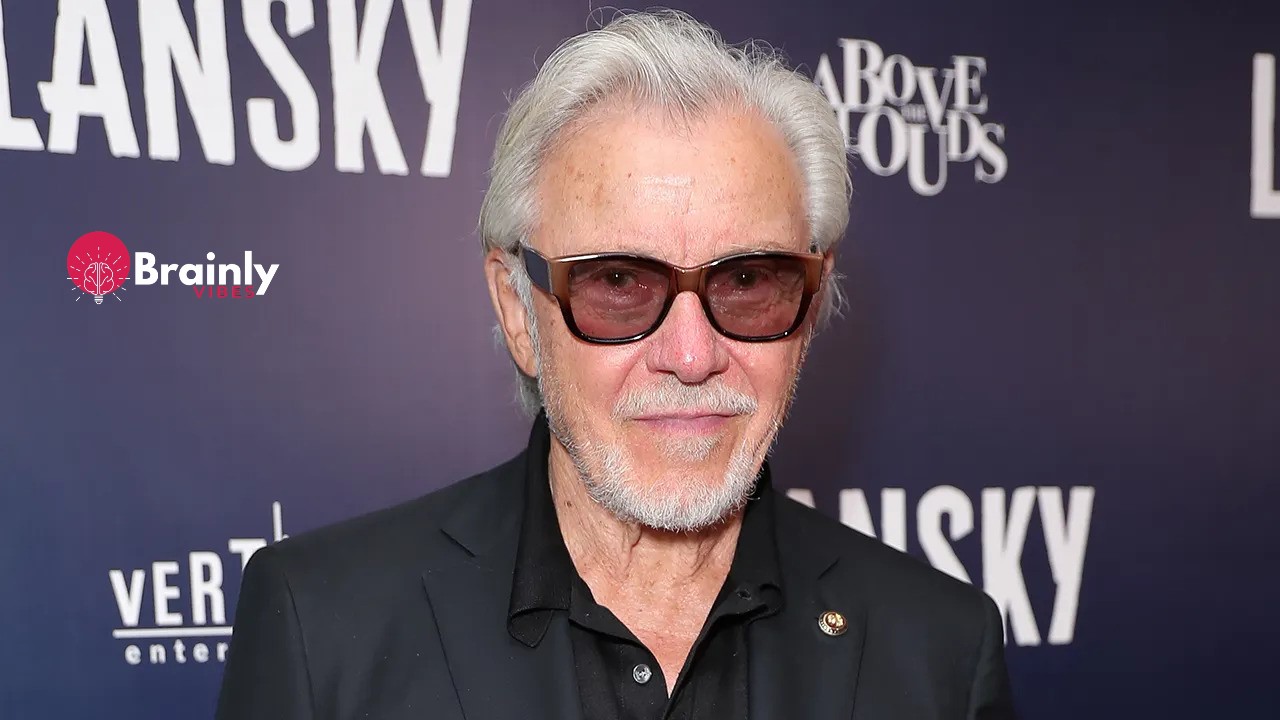
Early Life and Formative Years
Hudson Keitel emerged as a figure shrouded in the mystique of Hollywood’s underbelly, blending the raw intensity of one acting dynasty with the brooding charisma of another. Born in 1978 in a quiet suburb of New York City, Hudson grew up in the shadow of his father, the legendary Harvey Keitel, whose gritty performances in films like Mean Streets and Taxi Driver defined an era of New American Cinema. His mother, a lesser-known artist from the Hudson family lineage—descended from early American settlers with ties to the Hudson River Valley—infused their home with stories of frontier resilience and creative rebellion.
From a young age, Hudson displayed an uncanny knack for mimicry, reenacting his father’s scenes with a precision that blurred the lines between homage and identity theft. By age ten, he was already scripting short films on a family camcorder, drawing inspiration from the Hudson River School painters his mother revered, whose landscapes evoked a sense of vast, untamed possibility. This dual heritage—urban grit from Keitel and pastoral wanderlust from the Hudsons—shaped a worldview that would later propel him into acting, directing, and even producing roles that defied conventional categorization.
Hudson’s teenage years were turbulent. Enrolled in a progressive arts high school in Manhattan, he clashed with authority figures, much like his father in his youth. A pivotal moment came at 16 when he landed a small role in an indie film directed by a family friend. The experience ignited a fire, leading him to drop out of formal education to pursue acting full-time. He apprenticed under theater troupes in Brooklyn, honing a method-acting style that incorporated physical transformations inspired by the rugged individualism of Hudson Valley folklore.
Family Influences and Childhood Challenges
The Keitel name carried weight, but Hudson chafed under its burden. Harvey Keitel, ever the disciplinarian, pushed his son toward authenticity over nepotism, famously locking him out of auditions until he proved his mettle in off-Broadway plays. Meanwhile, Hudson’s maternal uncles, historians of the Hudson family tree, regaled him with tales of their ancestors’ role in the American Revolution, fostering a deep-seated patriotism laced with skepticism toward authority.
Financial instability marked these years. Despite Harvey’s success, the family lived modestly to avoid the pitfalls of fame. Hudson worked odd jobs—bartending in dive bars, laboring on Hudson River docks during summers—to fund his craft. These experiences grounded him, teaching resilience amid rejection. By 20, he had transformed from a lanky teen into a commanding presence, 6’2″ with piercing eyes that echoed his father’s intensity but softened by a Hudson-esque contemplative gaze.
Rise to Stardom in Independent Cinema
Hudson’s breakthrough arrived in 2002 with Shadows on the Dock, a noir thriller set along the Hudson River where he played a dockworker unraveling a smuggling ring. Critics hailed his performance as “Keitel 2.0 with a poet’s soul,” earning him the Independent Spirit Award for Best Debut. The film, shot on a shoestring budget in his hometown, captured the grit of working-class New York while weaving in ethereal river motifs—a nod to his heritage.
This role opened doors to the indie circuit. He followed with Fractured Bloodlines (2004), a semi-autobiographical drama exploring father-son tensions in a crime family, directed by Martin Scorsese protégé, Tommy O’Donnell. Hudson’s raw portrayal of a reluctant heir drew comparisons to his father’s Reservoir Dogs work, but with a modern twist: vulnerability amid violence. The film’s premiere at Sundance catapulted him to cult status.
Breakthrough Roles and Critical Acclaim
By mid-decade, Hudson was indie cinema’s darling. In River’s Edge (2006), he embodied a reclusive fisherman confronting corporate pollution—a metaphor for personal toxicity—winning a Gotham Award. His directorial debut, Keitel’s Shadow (2008), a docudrama blending his family’s history with fictionalized Keitel lore, premiered at Cannes to mixed reviews but solidified his auteur reputation. Here, he not only starred but composed the score, revealing musical talents inherited from his mother’s folk-singing lineage.
Hudson’s versatility shone in genre-bending projects. Urban Ghosts (2010) saw him as a spectral detective in a haunted Manhattan, fusing supernatural elements with Hudson River ghost stories. The film’s innovative use of practical effects and his physical commitment—losing 30 pounds for the role—earned Oscar buzz, though it was snubbed. These years cemented his ethos: storytelling as excavation, unearthing personal and cultural strata.
Transition to Mainstream Hollywood
Hollywood beckoned in 2012 with a villainous turn in Empire of Rust, a blockbuster action flick opposite Chris Hemsworth. Hudson’s portrayal of a cybernetic arms dealer blended Keitel’s menace with a philosophical depth rare in tentpoles. Grossing $450 million worldwide, it marked his commercial viability without compromising edge.
He navigated the transition shrewdly, alternating blockbusters with prestige fare. The Reckoning (2014), a historical epic about Hudson Valley settlers during the War of 1812, showcased his leading-man chops, earning a Golden Globe nod. Directed by Ang Lee, the film explored themes of inheritance and betrayal, mirroring Hudson’s life.
Blockbuster Hits and Franchise Involvement
Hudson’s franchise leap came with Neon Shadows (2016), the first in a dystopian trilogy where he played a rogue AI hunter. His chemistry with co-star Zendaya sparked tabloid frenzy, but his nuanced take on humanity’s obsolescence stole the show. The series amassed over $2 billion, funding his passion projects.
In Blood Oath (2018), he headlined a mob saga redux, channeling Harvey’s The Irishman vibe but infusing millennial disillusionment. Critics praised its deconstruction of machismo, with Hudson’s monologue on legacy becoming a viral sensation. These roles expanded his range, proving he could anchor spectacles while retaining indie cred.
Personal Life and Philanthropy
Beyond screens, Hudson Keitel is a private enigma. He married actress Lena Voss in 2015, a union blending their artistic worlds. They reside in a restored farmhouse in the Hudson Valley, raising two children who shun the spotlight. Hudson advocates homeschooling, emphasizing experiential learning drawn from his own unconventional path.
Philanthropy defines his off-screen legacy. Founding the Keitel-Hudson Foundation in 2010, he supports at-risk youth through film workshops in New York docks and river communities. The program has empowered over 5,000 kids, many debuting in his short films. He’s vocal on environmental issues, leveraging Hudson River advocacy to combat pollution—a cause tying back to his roots.
Relationships, Scandals, and Public Persona
Romantically, Hudson’s life has been low-drama post-marriage, though early flings with co-stars fueled headlines. His persona? Stoic yet approachable, often spotted hiking Hudson trails or mentoring young actors incognito.
Health scares in 2020—a bout with exhaustion from back-to-back shoots—prompted a wellness pivot. He embraced yoga and river kayaking, emerging fitter and more reflective. This period birthed Silent Currents (2022), a meditative drama on mental health, lauded for destigmatizing vulnerability in men.
Artistic Philosophy and Collaborations
Hudson’s craft stems from a “river method”—immersing in environments to absorb essences, much like Hudson River painters captured light’s flux. He collaborates with auteurs like the Coen Brothers (Fargo Reborn, 2021) and Bong Joon-ho (Tidal Waves, 2024), valuing scripts that probe human depths.
He’s penned two books: Dockside Dreams (2019), a memoir of indie struggles, and Keitel Currents (2023), essays on acting as excavation. Both bestsellers, they reveal a thinker dissecting fame’s illusions.
Key Collaborations and Creative Output
Notable partnerships include scoring Echoes (2017) with Thom Yorke and producing Valley Ghosts (2020), a horror anthology. His theater return in a 2025 Broadway revival of A View from the Bridge—playing Eddie Carbone—reaffirms stage roots. Future projects tease a Keitel family film with Harvey, bridging generations.
Legacy and Future Prospects
At 48, Hudson Keitel stands as a bridge between indie authenticity and Hollywood polish. Box office hauls exceed $5 billion, yet he prioritizes stories over stats.
Influence ripples wide. Young actors cite his “Hudson grit”—blending vulnerability with ferocity. As streaming evolves, he champions original content, producing via his Rivermouth Studios. Rumors swirl of a directorial epic on Hudson River pirates, promising another genre reinvention.
Conclusion
Hudson Keitel’s journey from New York docks to global screens embodies reinvention, weaving familial threads into a tapestry of cinematic innovation. His work challenges norms, urging audiences to confront shadows while glimpsing light. As he navigates future waters, Keitel remains a lodestar for authenticity in an algorithm-driven age—a testament to grit, heritage, and unyielding creativity.
Frequently Asked Questions (FAQs)
Who is Hudson Keitel?
Hudson Keitel is an acclaimed American actor, director, and producer born in 1978, son of Harvey Keitel, known for blending indie grit with mainstream appeal in films like Shadows on the Dock and Neon Shadows.
Did Hudson Keitel direct any films?
Yes, his directorial debut Keitel’s Shadow (2008) explored family dynamics, followed by producing roles and shorts through his foundation.
Is Hudson Keitel related to the Hudson River historical family?
Through his mother’s lineage, yes—ancestors tied to early Hudson Valley settlers, influencing his environmental advocacy and thematic choices.
What are Hudson Keitel’s upcoming projects?
A Broadway revival in 2025, a potential family film with Harvey Keitel, and a directorial project on Hudson River history.
