


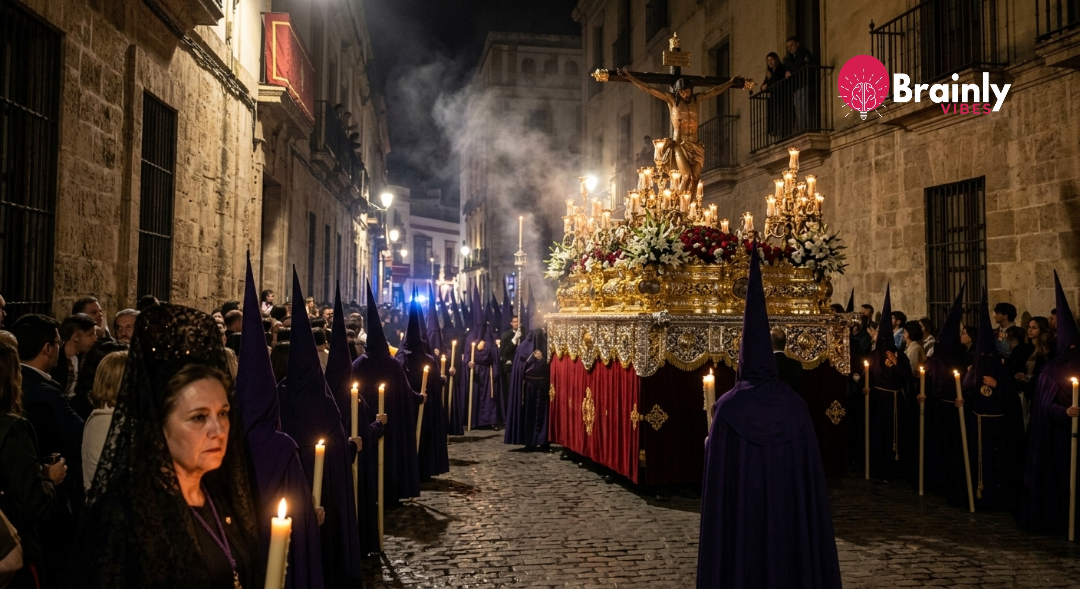
Semana Santa, known in English as Holy Week, stands as one of the most profound and widely observed religious periods in the Christian calendar. In 2025, this sacred time unfolds from Palm Sunday, March 30, to Easter Sunday, April 6, drawing millions into a tapestry of rituals, processions, and reflections on the Passion, death, and resurrection of Jesus Christ. Rooted in centuries-old customs, Semana Santa transcends its Spanish origins to captivate communities worldwide, blending solemn devotion with vibrant cultural expressions. This article delves into its history, key events, regional variations, and what makes the 2025 observance particularly noteworthy amid evolving global contexts.
The Historical Roots of Semana Santa
Origins in Early Christianity
Semana Santa traces its beginnings to the early Christian Church in the 4th century, when Easter celebrations formalized around the Jewish Passover. The Council of Nicaea in 325 AD standardized Easter’s date as the first Sunday after the first full moon following the spring equinox, ensuring a movable feast that aligns with natural cycles. In Spain, where the tradition flourished, Semana Santa evolved during the Reconquista—a medieval Christian campaign to reclaim the Iberian Peninsula from Muslim rule. Brotherhoods, or cofradías, formed to organize processions, preserving faith amid turmoil.
By the Middle Ages, these processions incorporated dramatic reenactments of biblical scenes, influenced by medieval mystery plays. The Catholic Church’s Counter-Reformation in the 16th century further enriched the rituals, emphasizing visual piety through elaborate floats called pasos—life-sized statues depicting moments like the Last Supper or Christ’s crucifixion. Today, Semana Santa 2025 honors this legacy, with UNESCO recognizing several Spanish processions as Intangible Cultural Heritage.
Evolution Through the Centuries
The 19th and 20th centuries saw Semana Santa adapt to social changes. In post-Civil War Spain, it became a symbol of national unity and resilience. Globally, colonial influences spread the tradition to Latin America, the Philippines, and beyond. In 2025, as the world emerges from recent global challenges, Semana Santa serves as a beacon of communal healing, with digital streaming allowing virtual participation for the first time on such a scale.
Semana Santa 2025: Key Dates and Liturgical Significance
The Timeline from Palm Sunday to Easter
Semana Santa 2025 spans eight pivotal days, each with distinct liturgical focus:
- Palm Sunday (March 30): Commemorates Jesus’ triumphant entry into Jerusalem. Churches worldwide distribute palm fronds, often woven into crosses, symbolizing victory over death.
- Holy Monday to Spy Wednesday (March 31–April 2): Days of introspection, recalling Judas’ betrayal and Jesus’ anointing at Bethany.
- Maundy Thursday (April 3): Marks the Last Supper and foot-washing ritual, emphasizing humility and service.
- Good Friday (April 4): The somber climax, focusing on the Crucifixion with veneration of the cross and Stations of the Cross.
- Holy Saturday (April 5): A day of vigil, awaiting the Resurrection.
- Easter Sunday (April 6): Joyous celebration of Christ’s rising, with dawn services and feasts.
These dates, calculated via the lunar calendar, shift annually—2025’s early timing enhances its springtime renewal theme.
Liturgical Practices in 2025
In 2025, Pope Francis is expected to lead Vatican observances, including a Maundy Thursday Mass for prisoners, underscoring social justice. Parishes globally will adapt services: silent Good Friday liturgies, Easter Vigils with fire-lighted paschal candles, and multilingual readings to reflect diverse congregations. The year’s alignment with spring equinox amplifies themes of rebirth, resonating in both hemispheres.
Iconic Celebrations in Spain: The Heart of Semana Santa
Seville: Baroque Splendor and Devotion
Seville hosts what many consider the pinnacle of Semana Santa, with 57 brotherhoods parading over 100 pasos through narrow streets. In 2025, expect the Esperanza de Triana procession on the early hours of Good Friday, where thousands follow the Virgin of Hope under a canopy of incense and candlelight. The saetas—spontaneous flamenco-style songs from balconies—add raw emotion. Seville’s 2025 edition anticipates record crowds, bolstered by improved post-pandemic infrastructure.
Málaga and Valladolid: Contrasting Styles
Málaga’s processions emphasize sensory overload: booming brass bands, ornate thrones weighing tons, carried by costaleros (barefoot bearers). The 2025 Virgen de la Soledad procession on Good Friday draws over 100,000. Valladolid, in contrast, offers restrained elegance with 14th-century statues and medieval-inspired silence, focusing on penitential marches.
Other Spanish Gems
In Zamora, Los Encuentros on Good Friday features hooded penitents in a dramatic clash of Resurrection scenes. Granada’s Sacromonte gypsy brotherhoods infuse flamenco rhythms. For 2025, Spain’s tourism board promotes sustainable viewing zones to manage the expected 10 million visitors.
Latin American Expressions: Passion with Indigenous Flair
Mexico: Drama and Syncretism
Mexico’s Semana Santa blends Catholic rites with Aztec influences. In Taxco, silver miners reenact the Passion with theatrical flair, including mock crucifixions. Iztapalapa’s massive procession—over two million participants in 2025—features self-flagellation and vivid street theater. Chiapas’ Tzotzil Maya communities incorporate pine-branch altars, merging pre-Hispanic reverence for nature.
Guatemala and the Andes
Antigua, Guatemala, turns into a violet-carpeted spectacle, with alfombras (sawdust murals) depicting biblical scenes, trampled by processions. In Peru’s Ayacucho, 15 tabla groups compete in all-night viacrucis hikes. Bolivia’s Potosí miners carry heavy pasos through high altitudes, symbolizing endurance.
Colombia and Beyond
Popayán, Colombia, boasts 23-step processions with 5,000 participants. In 2025, Ecuador’s Quito anticipates UNESCO-backed enhancements for its Alabado Museum exhibits.
Global Variations: From Philippines to the United States
Asia-Pacific Devotion
The Philippines’ Pampanga features voluntary crucifixions—a controversial yet enduring practice drawing global media in 2025. Goa, India, hosts Indo-Portuguese processions with Konkani hymns.
North America and Europe
In New York, Brooklyn’s Our Lady of Mount Carmel’s Holy Week draws Italian-American crowds. Mexico City expatriates in Los Angeles recreate alfombras. Italy’s Trapani features the Misteri—24 life-sized groups moved in slow motion. Poland’s Kalwaria Zebrzydowska pilgrimage site expects 2025 record pilgrims.
Modern Adaptations
Urban areas innovate: virtual reality tours of Seville processions and eco-friendly alfombras using biodegradable materials highlight 2025’s sustainability focus.
Cultural and Artistic Dimensions of Semana Santa
Music, Art, and Cuisine
Semana Santa’s soundtrack includes Gregorian chants, marching bands, and marchas procesionales. Composers like Manuel Font de Anta craft evocative scores. Artistically, sculptors like Juan de Mesa create hyper-realistic pasos. Cuisine features torrijas (Easter French toast), potaje (garbanzo stew), and monas (sweet breads with eggs symbolizing new life).
Economic and Social Impact
Spain’s Semana Santa generates €2.5 billion annually; 2025 projections rise with international tourism. Socially, it fosters community bonds, with youth nazarenos (penitents) in hooded robes symbolizing anonymity and equality.
Semana Santa 2025: Unique Themes and Challenges
Post-Pandemic Renewal
After years of restrictions, 2025 marks a full return: enhanced hygiene protocols, live-streamed pasos, and hybrid events ensure inclusivity. Climate considerations prompt shaded routes in heat-prone areas.
Contemporary Relevance
Amid global unrest, themes of suffering and hope resonate deeply. Interfaith dialogues, like Seville’s Jewish-Catholic joint events, promote unity. Youth involvement surges via social media campaigns.
Conclusion
Semana Santa 2025 encapsulates the timeless essence of Christian faith—sacrifice, redemption, and joy—while evolving with modern realities. From Seville’s thunderous streets to Guatemala’s intricate alfombras, it unites diverse cultures in shared reverence. As April 6 dawns with Easter’s promise, participants worldwide find personal renewal, reminding us that in darkness, light endures. Whether joining a procession or reflecting quietly, Semana Santa invites everyone to ponder life’s profound mysteries. Plan your observance thoughtfully, embracing its spiritual depth and communal spirit.
Frequently Asked Questions (FAQs)
When is Semana Santa 2025?
Semana Santa 2025 runs from Palm Sunday, March 30, to Easter Sunday, April 6.
What is the difference between Semana Santa in Spain and Latin America?
Spanish versions emphasize ornate processions and silence, while Latin American ones often include indigenous elements, reenactments, and vibrant street art like alfombras.
Are Semana Santa processions free to attend?
Yes, most are public and free, though prime viewing spots in cities like Seville may require reservations or donations to brotherhoods.
Can non-Catholics participate in Semana Santa?
Absolutely—many events are cultural spectacles open to all, with respectful observers welcome in processions.
How has COVID-19 affected Semana Santa 2025?
Post-pandemic, events feature full crowds with safety measures like masks in enclosed spaces and virtual options for remote viewing.
What should I wear to a Semana Santa procession?
Modest, comfortable clothing; avoid white (it gets dusty). In Spain, dark colors blend with the atmosphere.
Are there family-friendly Semana Santa activities?
Yes—Palm Sunday blessings, Easter egg hunts, and children’s viacrucis processions cater to families.
How do I calculate future Semana Santa dates?
Easter falls on the first Sunday after the first full moon post-spring equinox; tools like perpetual calendars provide exact dates.
