


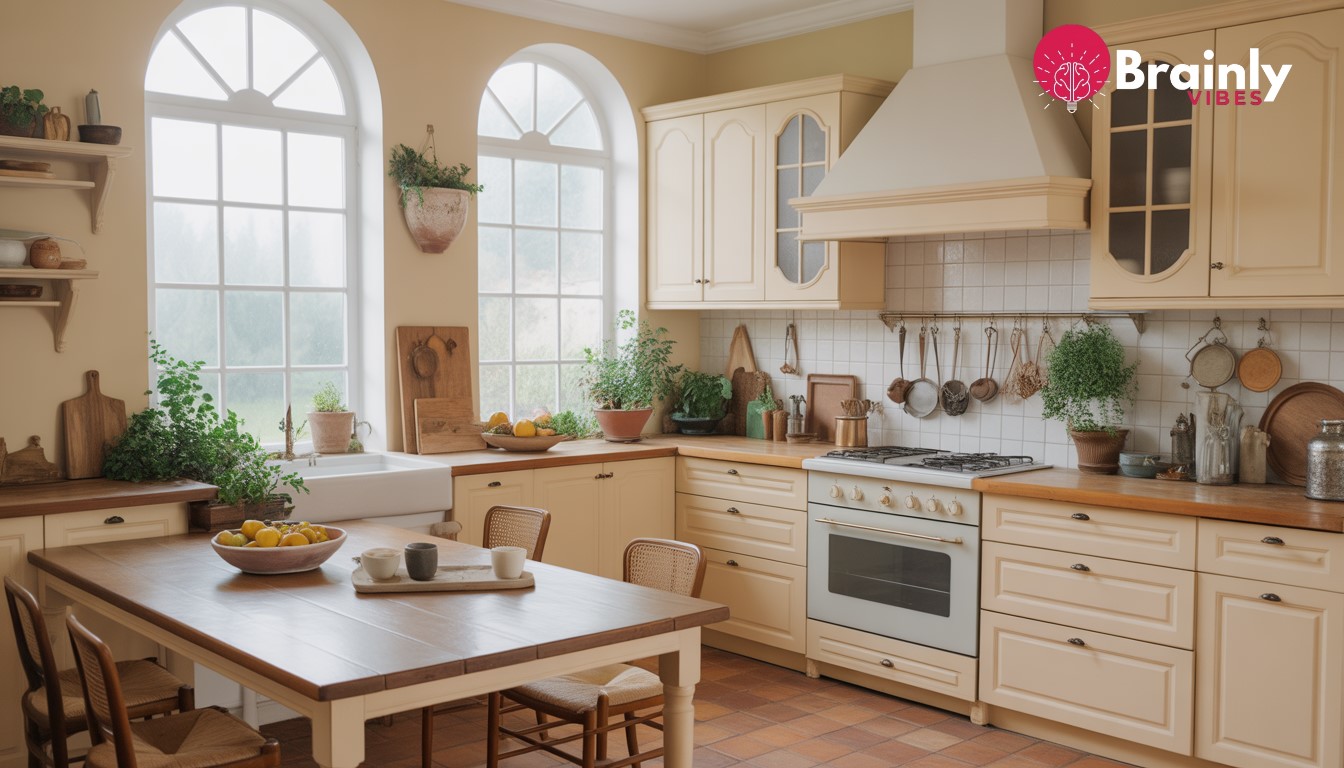
Upgrading your kitchen doesn’t have to drain your finances. With smart budget management, you can transform this essential home space into a functional, stylish hub without overspending. This comprehensive guide explores practical Kitchen Upgrading Tips Mintpalment—efficiently allocating funds to maximize value. Whether you’re refreshing cabinets, updating appliances, or enhancing lighting, these strategies ensure every dollar counts. We’ll break down cost-effective ideas, phased planning, and long-term savings to help you achieve a dream kitchen on a realistic budget.
Understanding Budget Management in Kitchen Upgrades
Effective kitchen upgrades start with a solid financial plan. Mintpalment means treating your budget like a palette of resources—carefully mixing colors (or costs) for the perfect result. Begin by assessing your current kitchen’s strengths and weaknesses.
Setting a Realistic Budget
Calculate your total budget by listing must-haves versus nice-to-haves. Allocate 40-50% to structural changes like cabinetry, 20-30% to appliances, 15-20% to surfaces, and the rest to lighting, hardware, and contingencies. Factor in a 10-15% buffer for surprises, such as hidden plumbing issues.
Track expenses using simple spreadsheets or apps. Prioritize high-impact, low-cost changes first. For instance, painting cabinets can refresh the look for under $200, compared to $5,000 for new ones.
Prioritizing Upgrades by ROI
Focus on return on investment. Updates like energy-efficient appliances recoup costs through utility savings, while cosmetic tweaks boost appeal for resale. Kitchens yield up to 70% ROI in home value, per industry data, making smart choices worthwhile.
Planning Your Kitchen Layout for Efficiency
A well-planned layout optimizes workflow and saves money long-term. The classic work triangle—sink, stove, refrigerator—should measure 4-9 feet per side to minimize steps.
Optimizing Space Without Major Renovations
Rearrange existing elements. Install pull-out shelves in cabinets for $50-100 each, doubling storage without demolition. Use vertical space with pegboards or magnetic strips for utensils, costing under $30.
In small kitchens, consider open shelving over upper cabinets. This creates an airy feel and exposes pretty dishware, reducing the need for expensive overhead storage.
Incorporating Multi-Functional Elements
Choose islands or peninsulas that serve as prep space, dining areas, and storage. A basic butcher-block island top on existing cabinets costs $300-500. Add fold-down leaves for flexibility in tight spaces.
Cabinet Upgrades on a Budget
Cabinets often dominate kitchen costs, but clever refreshes keep expenses low.
Refacing Versus Replacing
Refacing—applying new veneer, doors, and hardware—costs 30-50% less than replacement. Professional refacing runs $5,000-10,000 for a standard kitchen; DIY kits start at $1,000. Select laminate or thermofoil for durability under $200 per cabinet door.
DIY Painting and Hardware Swaps
Sand, prime, and paint existing cabinets with semi-gloss enamel for a pro finish. Use two coats of white or soft gray to brighten the space—total cost around $150 for supplies. Swap knobs and pulls for modern brass or matte black versions at $2-5 each, instantly updating the aesthetic.
Smart Storage Additions
Install soft-close drawer glides ($10-20 per pair) and lazy Susans ($30-50) to enhance usability. Under-sink organizers with adjustable shelves ($40) maximize awkward spaces.
Countertop and Backsplash Innovations
Countertops and backsplashes define the kitchen’s style but can be upgraded affordably.
Affordable Material Choices
Skip quartz or granite; opt for butcher block ($30-50 per square foot installed) sealed with food-safe oil. It’s warm, renewable, and repairable with sanding. Laminate mimics stone for $10-20 per square foot.
Butcher block example: A 10×5-foot kitchen island top costs $1,500 installed, versus $4,000 for granite.
Backsplash Budget Hacks
Peel-and-stick tiles ($5-10 per square foot) offer subway or mosaic looks without grout mess. Install over existing surfaces after cleaning. For permanence, ceramic tiles at $3-7 per square foot pair with DIY installation using pre-mixed adhesive.
Maintenance for Longevity
Seal porous surfaces annually to prevent stains. This extends life, avoiding premature replacements and saving thousands.
Appliance Upgrades with Energy Savings
New appliances elevate functionality while cutting bills.
Selecting Energy-Efficient Models
Look for Energy Star-rated units. A modern refrigerator uses 20-30% less energy than 10-year-old models, saving $50-100 yearly. Budget fridges start at $500; induction cooktops ($800-1,200) heat faster and are safer.
Refurbished and Smart Options
Buy certified refurbished from retailers—up to 50% off new prices with warranties. Smart ovens ($400+) connect via apps for remote preheating, adding convenience without excess cost.
Placement for Workflow
Ensure appliances fit your triangle. Slide-in ranges ($900) replace bulky freestanding ones seamlessly.
Lighting Strategies to Brighten and Define
Proper lighting enhances mood and highlights features.
Layered Lighting Approach
Combine ambient (ceiling fixtures), task (under-cabinet LEDs), and accent (toe-kick strips). LED under-cabinet bars ($20-50 per 3 feet) provide 5x brighter light than incandescents.
Cost-Effective Fixtures
Recessed cans ($15-30 each installed) distribute light evenly. Pendant lights over islands ($50-150) add style; choose dimmable for versatility.
Natural Light Maximization
Install sheer curtains or remove obstructions. Skylights ($1,000-2,000) boost daylight but verify ROI in your climate.
Flooring Updates for Durability and Style
Flooring withstands heavy traffic, so choose wisely.
Budget-Friendly Resurfacing
Luxury vinyl plank (LVP) mimics hardwood at $2-5 per square foot Kitchen Upgrading Tips Mintpalment, waterproof and click-lock for DIY. Peel-and-stick vinyl tiles ($1-3 per square foot) refresh linoleum instantly.
Installation Tips
Level subfloors first to prevent buckling. For 200 square feet, LVP totals $600-1,200 including tools.
Patterns for Visual Interest
Herringbone or chevron LVP elongates small spaces without premium pricing.
Sink and Faucet Refresh
These high-use items impact daily chores.
Modern Sink Styles
Undermount stainless ($150-300) pairs with composite for scratch resistance. Farmhouse sinks ($200-500) add charm; ensure cabinet fit.
Touchless Faucets
Kitchen Upgrading Tips Mintpalment Motion-sensor models ($150-250) reduce water waste by 30%. Bridge faucets ($200+) offer vintage appeal.
Plumbing Considerations
Budget $300-500 for professional install to avoid leaks.
Wall Treatments and Color Schemes
Paint transforms without structural changes.
Neutral Palettes with Pops
Whites and grays expand space; add color via accents. Low-VOC paints ($40/gallon) cover 400 square feet.
Textured Walls
Wallpaper ($30-60 per roll) or board-and-batten ($5-10 per square foot DIY) adds depth.
Adding Personal Touches Economically
Infuse personality affordably.
Open Shelving Displays
Showcase curated items; thrift pottery for uniqueness.
Herb Gardens and Greenery
Countertop planters ($20) freshen air and provide ingredients.
Custom Artwork
Frame family photos or prints ($10-50) for warmth.
Phased Upgrading Timeline
Spread costs over time.
Phase 1: Cosmetics (1-2 Months)
Paint, hardware, lighting—under $1,000.
Phase 2: Functionality (2-4 Months)
Storage, faucets, countertop—$2,000-5,000.
Phase 3: Appliances (4-6 Months)
Replace as needed, financing if required.
Common Pitfalls to Avoid
Overbuying trends leads to regret. Stick to timeless elements like shaker cabinets. Ignore measurements at your peril—always mock up layouts.
Tools and Skills for DIY Success
Basic kit: drill, level, sander ($200 total). YouTube tutorials guide most tasks; hire pros for electrical/plumbing.
Sustainable Choices for Long-Term Savings
Recycled countertops ($20-40 per square foot) and bamboo flooring reduce environmental impact. Low-flow faucets save water bills.
Maximizing Resale Value
Kitchen Upgrading Tips Mintpalment Neutral finishes appeal broadly. Document upgrades for home listings.
Conclusion
Kitchen Upgrading Tips Mintpalment delivers a high-performing space without financial strain. By prioritizing layout, budget-friendly materials, and phased execution, you create a kitchen that serves your lifestyle for years. These tips balance aesthetics, function, and fiscal responsibility, turning upgrades into investments. Start small, plan meticulously, and enjoy the transformation.
Frequently Asked Questions (FAQs)
What is the average cost of a budget kitchen upgrade?
A full refresh ranges from $5,000-15,000, depending on size and scope. Focus on DIY cosmetics to stay under $3,000.
How long does a kitchen upgrade take?
DIY projects span 1-3 months phased; full renovations with pros take 4-8 weeks.
Are peel-and-stick backsplashes durable?
Yes, for 5-10 years with proper care; ideal for renters.
Can I upgrade appliances without replacing cabinets?
Absolutely—measure clearances first for slide-in models.
What’s the best countertop for budget and durability?
Butcher block or LVP countertops offer great value and resilience.
How do I finance larger upgrades?
Use home equity lines or 0% APR cards; pay off quickly to minimize interest.
Should I hire professionals for everything?
No—DIY 70% for savings, pros for gas/electrical work.
